5th Ordinary Meeting of RETS-CPLP: new Work Plan brings changes aimed at strengthening collaborative work
 imprimir


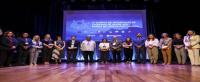
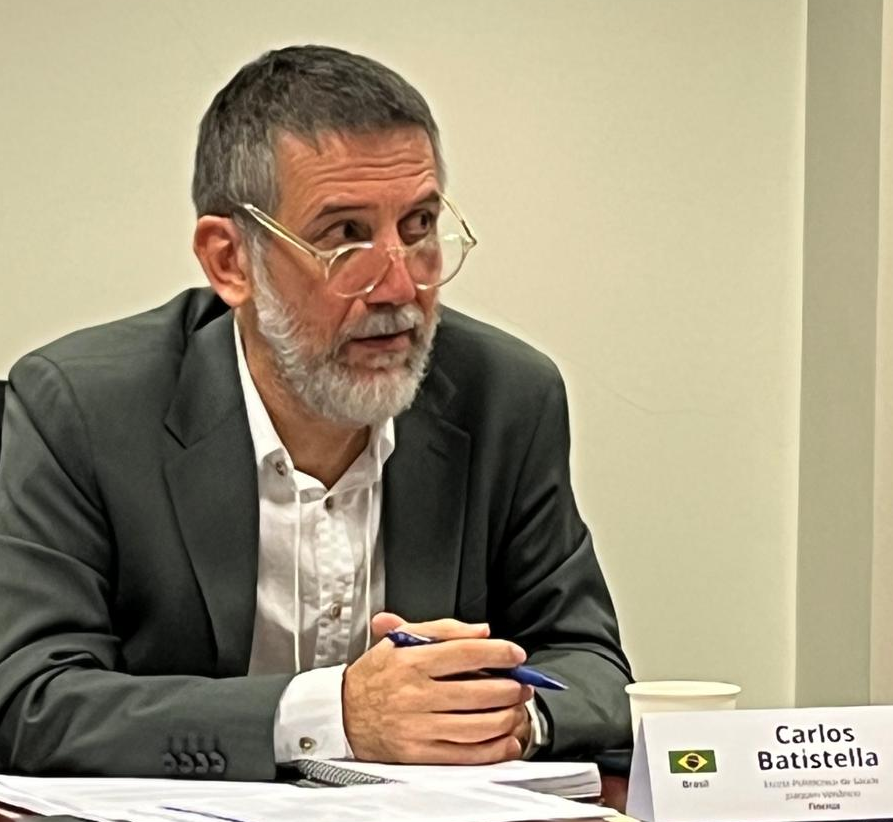 “I would like to highlight the importance of this Meeting as a space for strengthening international cooperation in health within the CPLP,” said Carlos Eduardo Colpo Batistella, Coordinator for International Cooperation at the Joaquim Venâncio Polytechnic School of Health (EPSJV/Fiocruz), as he opened the 5th Ordinary Meeting of RETS-CPLP, held on June 2–3, 2025, at the Lisbon School of Health Technology of the Polytechnic Institute of Lisbon (ESTeSL/IPL).
With 22 participants in attendance, the meeting brought together delegations from seven of the nine countries that make up the Community: Angola, Brazil, Cabo Verde, Guinea-Bissau, Mozambique, Portugal, and São Tomé and Príncipe. Representatives of Network institutions that were unable to attend in person followed the meeting virtually via Zoom. (see the Meeting Minutes)
After outlining the objectives, themes, and structure of the meeting, a brief round of participant introductions was held. At the conclusion, Batistella convened the opening panel, inviting Manuel Clarote Lapão, Director-General of the CPLP Executive Secretariat; Amadeu Borges Ferro, President of ESTeSL; Anamaria D’Andrea Corbo, Director of EPSJV; and Érika Kastrup, from the Center for International Relations in Health (CRIS/Fiocruz).
Opening Panel Highlights the Political and Strategic Importance of RETS-CPLP
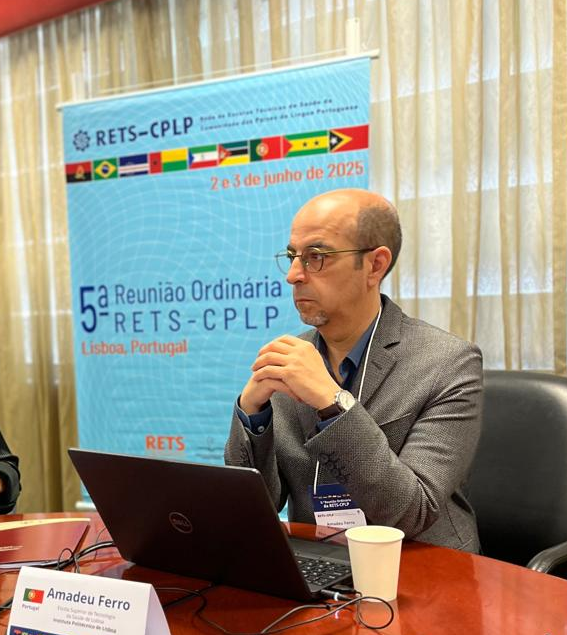 The meeting host, Amadeu Ferro, newly appointed President of ESTeSL, expressed his satisfaction in hosting the event. He spoke briefly about the changes being implemented during his term to ensure continuity of the School’s excellence and to address future challenges, emphasizing that the Network represents a true “network of strength,” centered on practical public health issues and with significant capacity for intervention. He underscored the role of RETS as a strategic arm of the CPLP, as set out in the Strategic Plan for Health Cooperation (PECS), and noted its alignment with the decisions of the most recent CPLP Meeting of Health Ministers, held in April. “All of this reinforces the value of the Network as an instrument for learning and joint construction,” he stated.
He also highlighted the theme of the opening event—the International Seminar “Climate Emergencies and Their Impacts on Global Health and National Health Systems”—as essential for practice and for making effective use of the Network’s guidelines and those of public health. He emphasized the two main proposals of the work plan: the Master’s Program in Professional Health Education and the creation of the RETS-CPLP Special Interest Group (SIG). “The Master’s proposal is feasible and aims to develop competencies aligned with the Network’s mission. The SIG—Special Interest Group—is an important tool for sharing needs and strategies and will certainly have a real impact on the Network’s actions,” he said.
In closing, Ferro reaffirmed ESTeSL’s commitment to active participation in the work ahead and offered special thanks to Professor Ana Almeida for her dedication, care, and humanity. Almeida has served as the School’s focal point in RETS-CPLP since the Network’s creation in 2009.
 Speaking on behalf of the CPLP Executive Secretariat, Manuel Lapão emphasized that the Network meeting was taking place at a particularly challenging moment. “As Professor Amadeu has already mentioned, the international scenario has been marked by significant geopolitical instability, the global climate crisis with its major health emergencies, and social inequalities,” he said, adding, “All of this makes the role of this Network in addressing these challenges truly relevant.”
According to Lapão, these times require not only resilience but, above all, a coordinated and strategic vision for what the Network aims to achieve, always reinforcing the commitment to strengthening technical health training and seeking joint solutions. “My expectation is that the Work Plan to be approved will not be merely a technical instrument, but also a political statement, affirming our belief that this networked work has strength, substance, and the capacity to reinforce the structural cooperation we have always sought,” he stressed.
Lapão then addressed the CPLP PECS, initially approved in 2009 and subsequently revised. “In its most recent version, 2023–2027, the PECS reaffirms the importance of training and valuing health professionals, especially at the technical level, to ensure progress toward achieving the SDGs, particularly those directly related to health,” he explained. “At the April meeting, Health Ministers once again recognized these professionals as essential pillars for consolidating national health systems in CPLP Member States,” he added.
According to Lapão, the Executive Secretariat views networks as horizontal dialogue platforms where shared experiences mutually strengthen institutional capacities, implementation needs, and innovative initiatives. “It is in this spirit that we hope this meeting will serve not only as a space for the review we will conduct on the first day, but above all as an opportunity to renew our collective commitments to strengthening the Network,” he concluded.
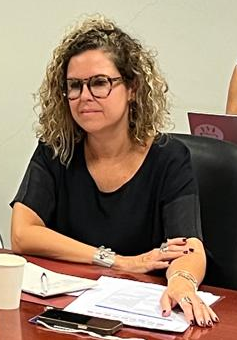 Opening her remarks, Érika Kastrup (CRIS/Fiocruz) congratulated the organizers for ensuring an in-person meeting. “I believe it is essential that we get to know one another and share meals together. These bonds and relationships endure over time, enrich the discussions that need to take place, and strengthen the Network,” she emphasized.
Kastrup noted that Fiocruz, which celebrated its 125th anniversary in May, was involved in developing the first PECS and continues to work with the Institute of Tropical Medicine (IHMT) and the CPLP on subsequent revisions. “Through its units, Fiocruz also serves as the Executive Secretariat for the three CPLP education networks—the Network of Technical Schools, the Network of Schools of Public Health (RESP), and the Network of National Institutes of Health (RINSP). We have made a major effort to ensure that these three networks work in a coordinated manner, in order to maximize the impact of their actions on the health systems of CPLP countries,” she added.
She reiterated that over the 16 years of PECS-CPLP, cooperation among networks, institutions, and countries has been fundamental, especially in a context where international cooperation has become increasingly central to addressing global health challenges and strengthening national systems. Emphasizing that all the challenges mentioned depend on international cooperation and collective work, Kastrup concluded by wishing everyone a productive and collaborative meeting.
 EPSJV Director Anamaria Corbo began with a brief history of RETS-CPLP, created as a sub-network of the International Network of Technical Health Education (RETS), whose Executive Secretariat has been based at EPSJV since 2004. She recalled the work EPSJV carried out with other SUS technical schools and how this network experience was crucial in building the PECS. “The existence and possibility of creating cooperation networks within the CPLP was widely discussed at the time with the Executive Secretariat, because we knew that, together, we needed to think about solutions and strategies to strengthen health worker training at all levels,” she explained.
She also thanked Professor Ana Almeida for her tireless work in hosting all delegations, enabling participants to come together, build bonds, and develop the trust and affection that are fundamental to meaningful cooperation efforts. Corbo cited the example of Helga Aguiar, now Rector of the University of São Tomé and Príncipe, who had been a student in EPSJV’s Specialization Course in Professional Health Education for PALOP countries in 2011. “Helga’s professional trajectory and the work she is doing in her country are connected to the work we carried out. This is deeply rewarding,” she said.
Corbo emphasized that since its creation, RETS-CPLP has focused on mid-level health workers—the backbone of national health systems. “Thinking about their training and about structuring the institutions that educate them is our challenge as a Network,” she stressed. She highlighted the PECS as a strategic document that explicitly names RETS-CPLP within the workforce training axis. “We have a name and a surname,” she said, noting that workforce training cuts across all other axes of the Plan.
She concluded by addressing resource constraints, noting that the global context has never been favorable, yet the Network has always sought solutions. “One of our challenges is to seek resources wherever possible so that we can fulfill our mission,” she affirmed.
Following the opening panel, Batistella invited EPSJV researcher Alexandre Pessoa Dias and Mozambican physician Tatiana Marrufo (INS/MISAU) to launch the International Seminar “Climate Emergencies and Their Impacts on Global Health and National Health System", which was broadcast on YouTube to the general public
Networked work: getting to know the other better is an important step
The afternoon of the first day of the Meeting was dedicated to mutual knowledge, through a round of presentations made by the represented countries. The idea was that a representative from each country could talk about the main challenges in the training of technicians for the National Health System and how the networked work of RETS-CPLP can contribute to addressing these challenges.
Angola
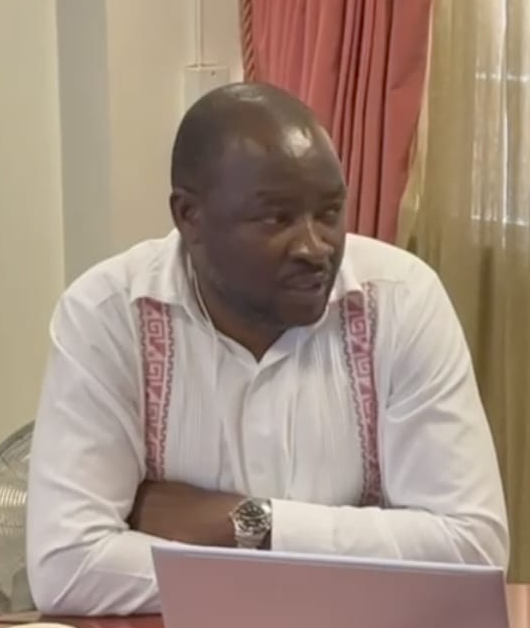 Opening the presentations, the National Director of Human Resources of the Ministry of Health of Angola (MINSA), Baptista João Monteiro, initially presented some geographic and demographic characteristics of his country. He then spoke about the role of the National Directorate of Human Resources: to provide methodological guidance to the Technical Health Institutes (ITS), the Permanent Training Units of the Provincial Health Offices, and the Permanent Training Departments of the General and Central Hospitals of MINSA, with a view to socioprofessional development and progress; to promote the training of teachers and managers; to evaluate and monitor pedagogical activities; and to register trained professionals and workers in the country and abroad.
According to him, initial training within the Technical and Professional Education Subsystem is coordinated by the Ministries of Education and Health. The approved training programs are: Clinical Analysis, Pathological Anatomy, Cardiopneumology, Nursing, Stomatology, Pharmacy, Physiotherapy, Nutrition and Dietetics, Orthoptics, Orthoprosthetics, Radiology, Environmental Health, and Health Statistics Applied to Health, the latter being offered at the II Cycle of Technical Education. The entry profile for the courses is after the 9th grade of general education. “We have 23 Technical Health Institutes established in 19 provinces. Schools are still not available only in the two new provinces created in 2024, following the new Political-Administrative Division,” he explained.
As positive points, he highlighted the increase in the number of professionals in the National Health Service, which grew by 46.1% between 2018 and 2024, with 80% of workers allocated in municipalities and in Primary Health Care; the Emergency Training Plan funded by the World Bank, whose goal is to train 38,000 health professionals by 2027; and an ambitious specialization program aimed at professionals at all levels. As challenges, he emphasized the need to expand initial training, specialization, and workforce training in some areas, as well as the need for support in access to technical and scientific health literature, the availability of equipped laboratories for simulation and practical training of professionals, and internship fields. Finally, he mentioned that RETS-CPLP can expand opportunities for technical exchange and can support the creation of a School of Public Health. Click here to see Angola’s presentation.
Brasil
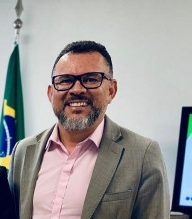 Fabiano Ribeiro dos Santos, current Director of the Department of Health Education Management (DEGES) of the Ministry of Health, was responsible for presenting, remotely, the Brazilian panorama. First, he spoke about the functions performed by DEGES: to regulate mid-level technical professional training, in accordance with the competencies established in Article 200 of the Federal Constitution, item III; to mitigate demands related to training, professional development, and continuing education of SUS workers, considering health policy priorities and local and regional needs; and to meet the benchmarks of the National Education Plan, especially the guidelines established for mid-level technical professional education.
He then outlined a general overview of the health workforce in Brazil. According to him, of the approximately 3.3 million health workers in the country, nearly 2.7 million, or about 80%, work in the Unified Health System (SUS). “It is a predominantly female workforce, with nearly 40% being mid-level technical workers,” he added.
Regarding health education, Fabiano explained that it follows the same pattern as education in general in Brazil, that is, it is more concentrated in certain regions of the country, especially the Southeast and the Northeast. According to him, Brazil has a network of 63 SUS health schools. “These schools are distributed across 38 municipalities in all regions of the country, also with a predominance in the Southeast and Northeast,” he explained. Fabiano also mentioned several actions and projects related to Mid-Level Technical Professional Education (EPTNM) that have been or are being developed within the Ministry, including the “(More) Health with Agents” program, with technical courses for Community Health Agents (ACS) and Endemic Disease Control Agents (ACE), and the publication of Guidelines for Technical Training in Health, guides aimed at improving quality in the teaching-learning process of technical health courses.
Regarding the main challenges of technical health education in Brazil, he was emphatic: “I will highlight two of these challenges: the first is that although 86% of health professionals provide services to the public health network, training for the sector is strongly concentrated in private institutions. This is very problematic, because this private network does not always provide the training we want for SUS professionals. In this sense, increasing the supply of public education is a major challenge. The second is to reduce the concentration of courses in certain regions of the country, because this means reducing inequalities in access to training that exist in Brazil.”
Regarding the possibilities of cooperative networked work, he cited the 1st Ibero-American Meeting on Simulation-Based Education in the Training of Health Technicians – RETSIM, held in November 2024 by RETS and several partners, with the participation of 22 countries, booths with numerous materials available for download, and many lectures and panels that enabled the exchange of knowledge and experiences on the topic. “It was a major event that brought innovative ideas for the training of new health technicians around the world. It was a great example of what is possible to do within a network,” Fabiano recalled. Click here to see Brazil’s presentation.
Cabo Verde
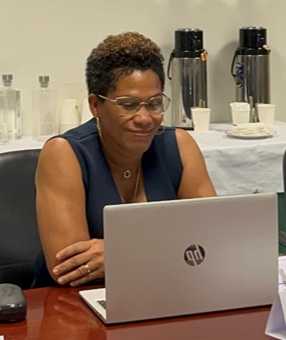 The next presentation was delivered by Elga Mirta Carvalho, coordinator of the Nursing Disciplinary Group at the University of Cabo Verde (Uni-CV). With approximately 525,000 inhabitants, Cabo Verde is an island country made up of about 10 islands, one of which is uninhabited, which, according to Elga, already represents a challenge in several aspects. “There is great geographic inequality, and logistics between the different islands are complex,” the professor emphasized.
According to Elga, in Cabo Verde, health training takes place in both private and public institutions. Uni-CV, which has campuses in the capital Praia (island of Santiago, on the southern coast) and in Mindelo (island of São Vicente, in the north), and is linked to the Ministry of Higher Education, offers courses in the field of nursing. “We work with several national and international partnerships, with institutions from Brazil and Portugal, among other countries. Our integration with the national health system occurs through partnerships with Hospitals and Health Centers,” she added.
Despite major achievements in higher education in nursing, which expanded significantly starting in 2008 with the implementation of the bachelor’s degree, with entry after the 12th year in the area of Science and Technologies, there are still, according to her, major challenges to be faced. Among these challenges, she cited: the shortage of specialized trainers; consolidation of the increase in the level of faculty training; decentralization of academic activities; improvement of the clinical practice context, which is not always satisfactory to ensure practical-theoretical integration of students; expansion of the offer of courses and improvement programs, as well as continuing education and specialization courses for health professionals in all areas; development of training competencies, for example, for the use of innovative approaches to teamwork in health and that consider working with everyday situations, strengthening ties with local reality; increased investment in community extension programs; creation of interdisciplinary programs; and expansion of the diversity of practice settings in Primary Health Care (PHC).
“In 2024, we implemented postgraduate courses and offered two free courses in nursing – ‘At-Risk Foot’ and ‘Humanization in Labor Care’ – and we also introduced the theme of climate action and health emergencies to support the country’s adaptation to the current context, among other initiatives. However, we still need support for the development of health research projects,” she stated.
Finally, she presented some Uni-CV strategies to overcome challenges and seize opportunities. “To incorporate technological tools, such as clinical simulation and the use of digital platforms, to improve learning and professional practice; to expand the use of innovative pedagogical approaches; to promote interdisciplinary training to stimulate collaborative work by simulating real health scenarios; to systematically offer in-service training and professional development, both in specific areas and in primary care; to strengthen faculty specialization, with the implementation of an Interinstitutional Doctorate (DINTER); to expand extension projects; and to enhance work on climate change,” Elga listed. Click here to see Cabo Verde’s presentation.
Guiné-Bissau
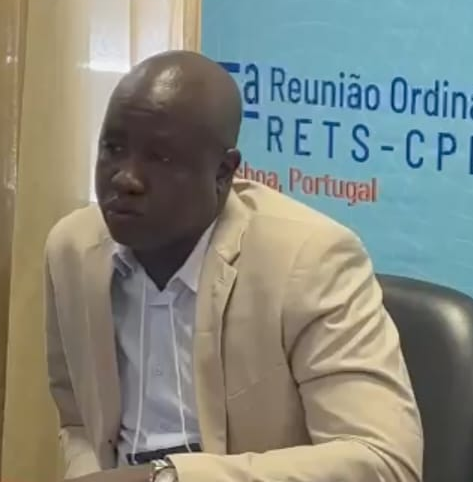 Adelino José de Pina, Director of the National School of Health (ENS), began his presentation by outlining an overview of his country, located on the West Coast of Africa, whose capital, Bissau, is situated in the Biombo region. According to him, Guinea-Bissau has about two million inhabitants, mostly young. The country’s economy is agriculturally based, especially on cashew nut production, and is marked by structural problems that limit growth and development. “The African Development Bank (AfDB) presented ‘favorable’ economic prospects, forecasting growth of 5.6% in 2025 and 5.8% in 2026, but emphasized that political instability and corruption are national problems,” Adelino said. “The economy has also been affected by external issues, such as the drop in cashew prices and the effects of the war in Ukraine, as well as by climate risks, which impact agricultural production,” he added.
Although it has improved over time, Guinea-Bissau’s Human Development Index (HDI) is still considered low, and the outlook is that in 2025 the country will fall from position 177 to 179 in the UN ranking. “This reflects the serious challenges we face in the areas of health, education, and income, among others,” reported the ENS director. He then spoke about the Guinean health system, which is organized in a pyramidal structure at three levels – central, regional, and local – with a total of 225 health facilities and about 3,800 workers recruited since 2008.
Regarding ENS, Adelino highlighted that it is a public institution, created in March 1997 and operating with full autonomy. Currently, the School offers technical courses in nursing, pharmacy, laboratory, and midwifery, a core bachelor’s degree in nursing, as well as complementary courses in nursing, laboratory, and obstetrics. “Unfortunately, two of our technical courses – radiology and oral health – are no longer operating,” he lamented.
Regarding the challenges faced, he listed: the need to improve continuing education for health sector workers; the training of master’s and doctoral-level professionals; improvements in school infrastructure, including the implementation of a practical demonstration room for nursing fundamentals, a first-aid post, and a school cafeteria; and increased technical, administrative, and financial credibility. “To overcome these challenges, it is essential that we establish partnerships with RETS-CPLP institutions, creating institutional partnerships in teaching, research, and extension,” he stated, also emphasizing the intention to establish a national network of technical schools that includes private institutions operating in the field. “We believe that this network can play an important role in the overall improvement of technical health training in the country, establishing a standard for workforce training,” said Adelino. Click here to see Guinea-Bissau’s presentation.
Moçambique
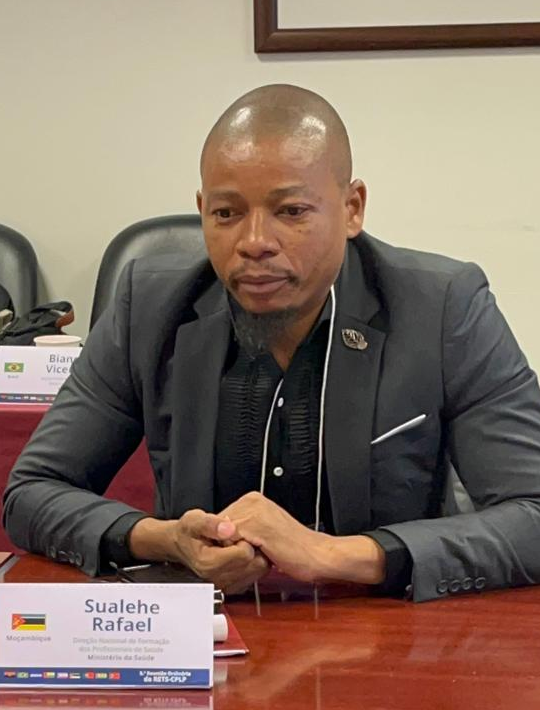 According to the National Director of Health Professional Training of the Ministry of Health (MiISAU), Sualehe Rafael, technical health training in Mozambique is carried out in both public and private institutions, with the public network under the Ministry consisting of 18 institutions – two Health Training Centers and 16 Institutes of Health Sciences – three of which are located in the capital, Maputo.
He then outlined an overview of the existing training modalities, beginning with Community Health Workers (Agentes Polivalentes de Saúde – APS). “These agents are not health professionals, but community members with a basic level of education who, after training lasting from three to six months, provide basic health care to residents of urban and rural areas with difficult access to services. Through home visits and community meetings, they also provide communities with important information on nutrition, family planning, and prevention of common diseases,” he explained. “APS workers do not receive a salary, but a small allowance to cover their expenses. They are the first point of contact between people and the National Health System,” he added.
According to Sualehe, technical training itself takes place in three modalities: Initial Mid-Level, Promotion Mid-Level, and Specialized Mid-Level. For Initial Mid-Level, courses last 24 to 30 months, and candidates must have completed basic education. Promotion Mid-Level courses last 12 to 18 months and are intended for those who already hold an Initial Mid-Level Technical certificate. Specialized Mid-Level is aimed at candidates who have initial mid-level training in General Nursing and Maternal and Child Health Nursing (MCHN). “This modality is part of the Accelerated Training Program (PAF) and offers 12-month courses in intensive care, instrumentation, and neonatology, and 18-month courses in anesthesiology. Of the total vacancies offered in this modality, 60% are for newly trained technicians and 40% for those already working in the NHS,” he explained.
He also mentioned the use of telehealth and tele-school for continuing education of health system workers and the School of Higher Nursing Education that is being created.
As the main challenges for technical health training in Mozambique, Sualehe listed: insufficient qualified faculty, modernized infrastructure, and equipment; difficulties in permanent and continuous supervision of clinical internships; geographic inequality in training provision; lack of integration of modern technology into curricula; and low capacity of the NHS to absorb graduates due to lack of financial resources. “In this sense, our efforts involve, among other things, expanding the pool of trainers in the areas of instrumentation, neonatology, and anesthesiology; modernizing laboratories with simulators; integrating AI into the curriculum; and regulating its use in training,” he concluded. Click here to see Mozambique’s presentation.
Portugal
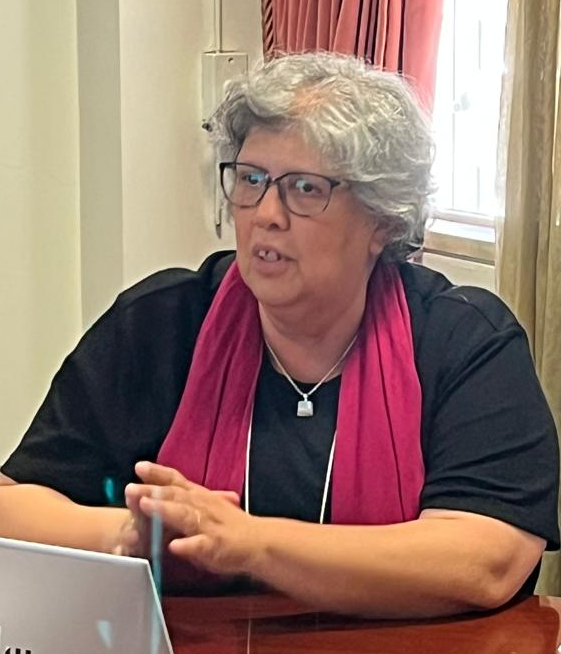 Ana Almeida, a professor at ESTeSL, began her presentation by introducing the 18 regulated professions in the area of health technologies in Portugal: clinical and public health analysis technician; pathological, cytological, and thanatological anatomy technician; cardiopneumology technician; dietitian; pharmacy technician; physiotherapist; nuclear medicine technician; neurophysiology technician; orthoptist; orthotist-prosthetist; radiology technician; radiotherapy technician; environmental health technician; audiology technician; oral hygienist; dental prosthetics technician; speech therapist; and occupational therapist. “Of these 18 professions, only the last five are not trained here at the School, and some courses lead to more than one profession, as is the case, for example, of the Bachelor’s Degree in Clinical Physiology, which trains both cardiopneumology and neurophysiology technicians,” she explained.
Today, according to her, all training is provided through public and private bachelor’s degree programs lasting four years, but this was not always the case. “Historically, technical training in Portugal began with a decision by the Ministry of Health in the 1960s to create technical schools that would train ‘assistants’ for medical services. These technical schools had three-year courses, with two years of theoretical training and one year of internship, but did not grant a degree. In 1990, these three years of training, which were equivalent to a bachelor’s degree, allowed us to train graduates. Later, we began to offer an additional year for a bachelor’s degree. This was the so-called two-stage bachelor’s degree, which served both those still completing the bachelor’s degree and those who had already graduated and were working. They could return to complete the bachelor’s degree, as was my case,” the professor recounted.
Currently, all schools offer what we call the core bachelor’s degree, lasting four years, with three years of theoretical and practical classes and one year of internship. Most schools are linked to Polytechnic Institutes, but some operate within universities. As graduates, students can pursue master’s and doctoral degrees.
Regarding challenges, the first mentioned was training far more professionals than the NHS can absorb. “Every day, the NHS hires fewer professionals due to limited resources. This causes many graduates to end up working in private health care. Others choose to pursue an academic career. Many go into industry, and others into commercial activities related to their field. Finally, many emigrate to work in other countries, especially within the European Union. Not all countries offer bachelor’s degrees, and this makes our training highly regarded and creates good opportunities for those who emigrate.”
Regarding expectations for networked work, Ana Almeida highlighted that, despite differences among countries, sharing experiences is fundamental and always brings new learning. “An example of this is related to the simulation event mentioned by Fabiano, from Brazil. I knew nothing about the topic and thought simulation was only possible with a lot of technology and money, and I learned that this is not necessarily the case, and that it is possible to do simulation even with materials we have at home,” she emphasized. She also mentioned student and faculty exchanges and the creation of interest groups with students and teachers. “This would be very enriching for everyone, because the exchange of experiences allows us to learn a little more about each other, and this enriches our own experience,” she concluded. Click here to see Portugal’s presentation.
São Tomé e Príncipe
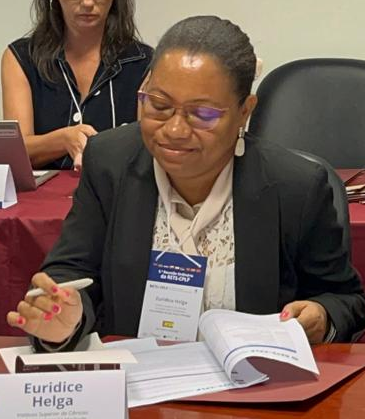 The final presentation of the day was delivered by the Rector of the University of São Tomé and Príncipe (USTP), Eurídice Helga Aguiar. Technical health training in STP is carried out primarily at the Victor Sá Machado Institute of Health Sciences (ISCSVSM), a public institution that has been part of the USTP structure since 2014. “We offer ten courses – psychology, radiology, physiotherapy, clinical analysis, epidemiology, oral health, pharmacy, nutrition, health care management, and nursing – but only two of them are offered on a permanent basis. The others are offered according to specific demands from the Ministry of Health to meet NHS needs,” she explained, recalling that most of these courses were requested during the Covid period, when a major shortage of personnel was identified.
According to Helga, the transfer of the Victor Sá Machado Institute from the Ministry of Health to the USTP, which is under the Ministry of Education, resulted in some difficulties. “Today, our mission involves teaching, research, and extension. Unfortunately, we do not receive support for research activities, so at this time we have been working in cooperation with other institutions to conduct joint research,” she added. Another important change, according to her, is that, due to pressure from professional health unions, it was established that complementary training toward a bachelor’s degree should be provided for all mid-level NHS professionals. This transition, however, is still not very clear, since private schools continue to maintain the previous training model.
The Rector of USTP listed the main challenges in training technicians for the NHS, beginning with those related to human resources. “We have not yet been able to implement an academic career or establish a permanent faculty, so most professionals who collaborate with us are hired on a temporary basis, which significantly affects teaching quality, especially regarding extension activities,” she lamented. She highlighted challenges in the training model itself. “We still have a very technicist teaching model, and it is not always easy to change this, especially because many of our professionals were trained in different countries and bring with them a diversity of educational conceptions. It is not a simple task to try to harmonize these different views,” she clarified. In the field of training, she also cited the low number of professionals prepared to work with technologies and new learning models emerging in the Digital Era.
Continuing on challenges, she listed: lack of investment in infrastructure, beyond the establishment of a computer room that is already operating; political changes, which interfere with the continuity of teaching projects and sometimes extension activities already underway or in planning; and emigration. “Our country has about 200,000 inhabitants, and in recent years about 25,000 São Tomé nationals have emigrated. This has a significant impact, especially when we see that, among those who left, 30% were attending higher education and 10% secondary education. Today, we are monitoring our students to assess which of them are more likely to leave, for example, those who already have family living abroad,” she stated.
Regarding her expectations for the Network, she highlighted online access to educational resources, continuing education, and forums; exchange of knowledge; and mobility of professionals and students. “I had the opportunity to participate in the teaching specialization course at EPSJV/Fiocruz in 2011, and this opened my mind to a critical view of health education that we can implement in our countries. It would be very good if other courses were offered so that other colleagues could have the same opportunity I had,” she recounted. She concluded by citing a phrase by Elga Mirta, from Cabo Verde – “A clear vision is necessary so that we know where we want to go” – and ended by saying: “I think the network can help us reflect together on where we should move forward.” Click here to see the presentation of São Tomé and Príncipe.
On the second day of the Meeting: focus on the work plan
Summary of the discussions held
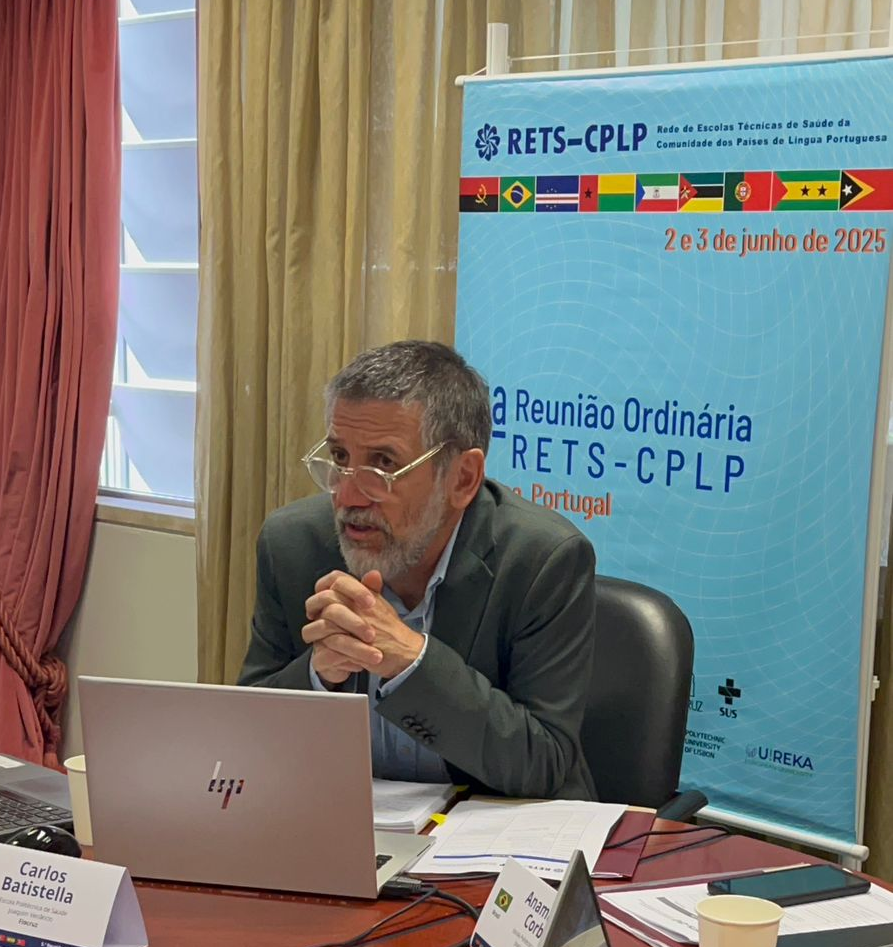
To open the second day of the Meeting, Carlos Batistella presented a brief summary of the presentations and discussions from the previous day. According to him, the idea was that this summary would serve to guide the development of a work plan with actions capable of bringing about effective changes in the training of technicians in the different countries.
Among the main challenges presented by the countries, it was possible to highlight: the qualification and coordination of networks (institutional expansion and diversification); the development of competencies in specific areas of activity of health technicians; the strengthening of public schools and regulation of private training; the insertion/absorption of technicians into the National Health Systems (NHS); the expansion and diversification of practice settings in Primary Health Care (PHC) and communities; the development of the research area in schools, given the absence of postgraduate programs; limitations in the capacity to offer courses, professional development programs, and specialization courses; teacher training to strengthen schools and institutes (absence of an academic career); curricular integration of digital technologies; the need to provide and qualify supervision in clinical internships; overcoming the technicist model of training; increased investments in infrastructure; and the discontinuity of policies due to changes in government.
He also listed the main expectations of the countries regarding the work to be carried out within the scope of RETS-CPLP, emphasizing: teacher training; postgraduate education and support for the development of the research area in institutions; the establishment of partnerships for specialization courses in specific areas; the creation of interinstitutional master’s and doctoral programs (MINTER and DINTER); the exchange of students and teachers; access to educational resources and the holding of online forums; support for planning; the production of research (evidence) on training systems; the promotion of curricular changes based on the debate on climate emergencies and their impacts on health; and the drafting of a declaration to CPLP ministers on support for the work of technical schools in strengthening National Health Systems.
RETS-CPLP: what kind of network is this?
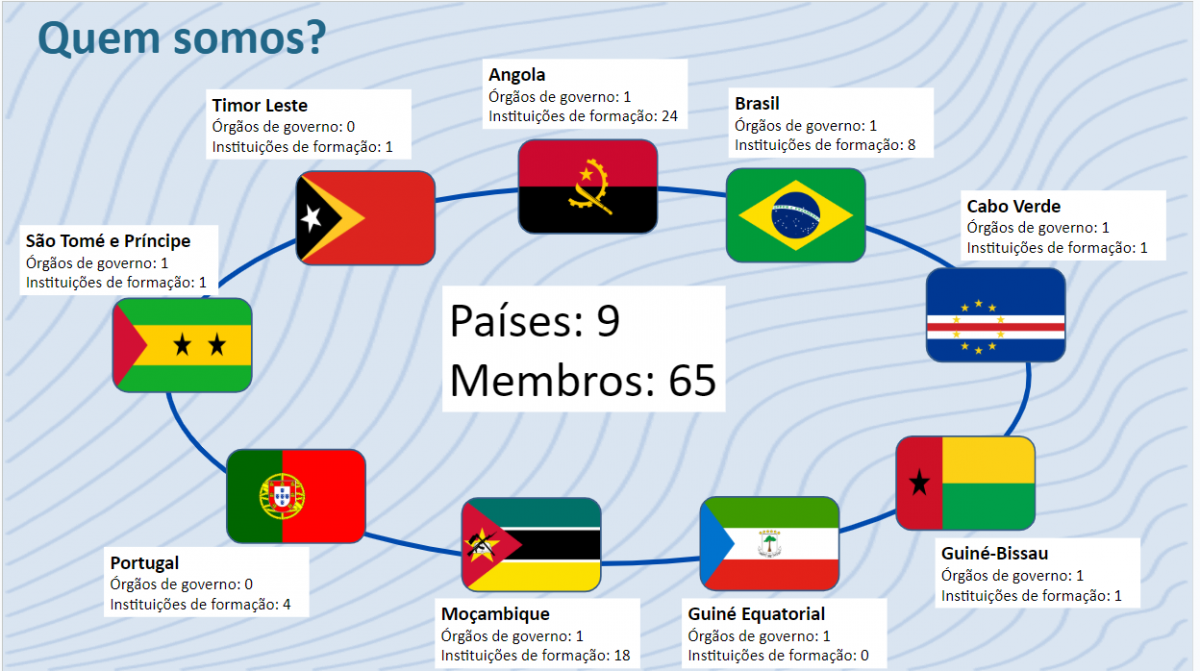
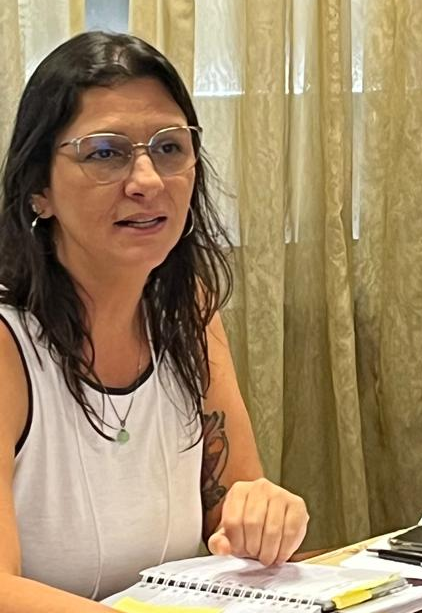 Continuing the program, Luciana Milagres (EPSJV/Fiocruz) delivered the presentation “RETS-CPLP: what kind of network is this?”, providing a brief history of the network since its creation, some of the actions carried out, its objectives, and a critical diagnosis conducted by the Executive Secretariat team.
In presenting the diagnosis, Luciana highlighted five points for reflection, along with suggestions on what could be done to improve the work of the network in each of these areas. First, she emphasized the high expectations regarding RETS-CPLP. “All versions of the PECS-CPLP highlight the importance of RETS for the Lusophone community,” she said, stressing that for these expectations to be realized, it is necessary to energize the network so that it can truly fulfill the role assigned to it in the CPLP Strategic Plan for Health Cooperation. “We must think as a network and act as a network, and for that we need to commit to the agreements we collectively assume,” she emphasized.
The second point mentioned was the need to ensure continuity of work. “We must think very carefully about the choice of focal points, that is, institutional representatives and their alternates. This choice should go beyond the institution’s highest authority. The appointment of alternates from the technical staff can ensure greater continuity in the interaction between members and the Network Secretariat,” she suggested, citing the example of ESTeSL itself, whose focal point since the creation of the Network has been Professor Ana Almeida. “Since the network was created, there have been several changes in the School’s presidency, but contact has never been lost because Ana is part of the institution’s technical staff and therefore tends to remain in her position, even when there are changes in management,” she stated. She also recalled the importance of publicizing the network whenever possible and of encouraging other national institutions to also become active members of the network.
The third point of reflection concerned the approved work plans. “Our plans have always been well prepared, but unfortunately not very effective,” she pointed out. “We need to think about developing dynamic work plans that can be modified according to the context, proposing activities that are, among other things, aligned with the availability of financial and human resources. In addition, we all need to seek external resources that can support the development and execution of specific projects,” Luciana suggested.
Regarding communication within the Network, she highlighted the significant progress achieved during and after the pandemic due to increased use of more dynamic communication technologies. “We created WhatsApp groups for direct contact among members and strengthened our social media to disseminate our work to external audiences. And if we have these means, we need everyone’s collaboration when it comes to content,” she added.
Finally, Luciana addressed the issue of Network management and governance. “We need to create a mechanism that allows for more frequent meetings than the statutory ones, where permanent knowledge exchange, collective work, project development and execution, and continuous monitoring of the Work Plan are possible. A mechanism in which we can better explore our strengths, discuss our weaknesses, and, above all, where everyone can be protagonists of our history,” she concluded.
Work Plan: understanding, discussing, and approving
Following Luciana’s presentation, Carlos Batistella read a preliminary version of the work plan prepared by the Network’s Executive Secretariat, focusing on two actions considered priorities at this initial stage: the offering of a Master’s Degree in Professional Health Education by EPSJV and the creation, within the Collaboration Networks Communities Portal (RCC) of the National Research and Education Network (RNP) Platform, of a Special Interest Group (SIG) for RETS-CPLP.
The discussion on the Master’s program was based on a brief presentation by Batistella about a course already under development by EPSJV, following a demand from Mozambique to Fiocruz. The idea was that 17 of the 25 available slots would be allocated to Mozambique, with the remaining ones distributed among the other four PALOP countries.
 At the beginning of the afternoon of the second day, three presentations were held regarding the SIG. First, Luiz Ary Messina, Coordinator of the University Telemedicine Network (RUTE) in Brazil, spoke about the possibilities of working in networks and about how the topic of Digital Health has been advancing within the CPLP, based on the efforts of the CPLP Permanent Working Group on Telemedicine and Telehealth, in partnership with RNP. Messina explained that the Telehealth Strategy for Portuguese-Speaking Countries was approved in 2016 and that since then the Working Group has been trying to effectively create an active network that develops through the participation and contribution of each of its members. “Today there are already more than 50 SIGs in operation, and there are days when several meetings take place, some open to the public and others with restricted access. That is, if you want to participate, you need to register and request admission to the group,” he said.
He also emphasized that progress in this area depends on the development of competencies in science, technology, and innovation (STI), and invited everyone to enroll in two free, online courses offered by the Higher School of Networks (ESR/RNP), with support from the Brazilian Ministry of Science, Technology, and Innovation. The course ‘Digital Transformation in Health: from concepts to practice’, with a duration of 30 hours, addresses the fundamentals and evolution of digital health, practical applications, information security, data privacy, the General Data Protection Law (LGPD), telehealth, and digital health policies in Brazil. The course ‘Health and Technology: Pathways to the Digital Future’, with a duration of 15 hours, focuses on the impact of technologies on the sector, public digital health policies, the Health Technology Assessment (HTA) process, and the importance of collaboration networks such as RNP and RUTE.
 The second presentation, ‘Collaborative Experience in the Community of Portuguese-Speaking Countries (CPLP)’, was delivered by Simone Maia Evaristo, from the National Cancer Institute (INCA), who coordinates the CPLP Cytotechnology SIG.
Simone presented a historical overview of the creation of the Cytotechnology SIG, whose objective is to foster interaction among cytotechnology professionals from Portuguese-speaking countries to promote training activities, discuss joint projects, collaborations and cooperation initiatives, and publish educational materials in the field. She explained how a SIG operates, highlighted the difficulties in maintaining the Group, and mentioned some of the actions developed over its four years of existence. “In 2021, the focus was on interaction among group members and on building and analyzing the professional situation in all countries. In 2022, we published the consensus document ‘Competency profile for training in cytotechnology’ in the supplement of the journal Health & Technology. In 2023, the SIG organized the First Cytotechnology Symposium of the CPLP Permanent Working Group on Telemedicine and Telehealth, featuring presentations of cytological cases. The event had 11 countries represented and 178 registered participants. In 2024, we developed the book ‘Contribution among Portuguese-speaking countries to training in Cytotechnologies – competency profile for the development and updating of a basic and/or advanced education program aimed at the field of cytotechnology’,” she listed, adding that the existence of the SIG has facilitated the development of bilateral cooperation initiatives, all with almost no financial resources.
Finally, Carlos Batistella explained the proposal for the RETS-CPLP SIG. “The idea is to present, in light of the documents we researched, a preliminary outline of how we could organize our SIG so that it fulfills its intended purposes, and what requirements we need to meet before submitting our request to the CPLP Permanent Working Group on Telemedicine and Telehealth,” he clarified. “To define the objectives of our SIG, we considered the axes that make up our work plan: management/governance/planning; research; and training,” he summarized.
According to him, the intention is to promote and enhance interaction among the institutions that make up the Network in order to energize its work. “In this sense, the SIG would be a space for permanent exchange, joint project development, experience sharing, collective construction of strategies to strengthen technical health training, evaluation of actions carried out, and knowledge exchange, among other activities,” he emphasized.
Regarding the coordination of the SIG, Batistella advocated for shared coordination by three institutions. “The SIG cannot and should not be the exclusive responsibility of the Executive Secretariat; this responsibility must be shared so that it is truly a collaborative space in which everyone can assume a leading role,” he stressed. With regard to the frequency of sessions, the suggestion was that they be held monthly, so that contact among all members would be more frequent and productive. He then explained the need to present the Group’s annual meeting agenda, including themes, presenters, and responsible institutions. “I would like to highlight a very important aspect, which is the difference between the agenda that we must present annually and the agenda of each meeting, which will be organized according to our needs. That is, we can divide the duration of the SIG—which is generally, but not necessarily, two hours—to carry out, for example, a training activity on a specific topic and a discussion aimed at developing a project to be submitted to a funding call,” he clarified, reminding everyone of the need for each institution to define its representatives in the SIG so that it can be created, and for all participants to complete their individual registration on the PALOPS-SD Collaboration Networks Communities portal.
After all clarifications and preliminary discussions, Anamaria Corbo took over the coordination of the final discussions and the approval of the Work Plan, including definitions related to the SIG, agenda, representatives, and other aspects. By collective decision, it was defined that, initially, the SIG would be mainly dedicated to themes that enable the organization of the Master’s program.
On the approved Work Plan and the visit to the CPLP
The Work Plan approved at the 5th Ordinary Meeting of RETS-CPLP aims to guide the activities to be developed within the network during the period from 2025 to 2028. It is based on the premise of integration and articulation among organizations and educational institutions focused on training technical health workers through structuring projects, as well as on the generation, systematization, and dissemination of knowledge that can contribute to strengthening the health systems of the Member States of the Community of Portuguese-Speaking Countries (CPLP). “This plan is aligned with the PECS-CPLP 2023–2027 and in accordance with the 2030 Agenda,” recalled the Director of EPSJV/Fiocruz. “Axis 2 of the PECS reiterates the health workforce as a strategic element for strengthening National Health Systems and reaffirms the strategic role of RETS-CPLP,” emphasized Anamaria Corbo, highlighting the importance of the approved Plan as a guiding and supportive instrument for proposing more specific actions to be developed throughout its period of validity.
After approval of the Work Plan, a round of evaluation of the Meeting was conducted and the Minutes were signed. Closing the event, Anamaria thanked everyone for the work carried out to ensure the success of the Meeting. “Being here is an effort made by each person, and the Network is that as well,” she concluded.
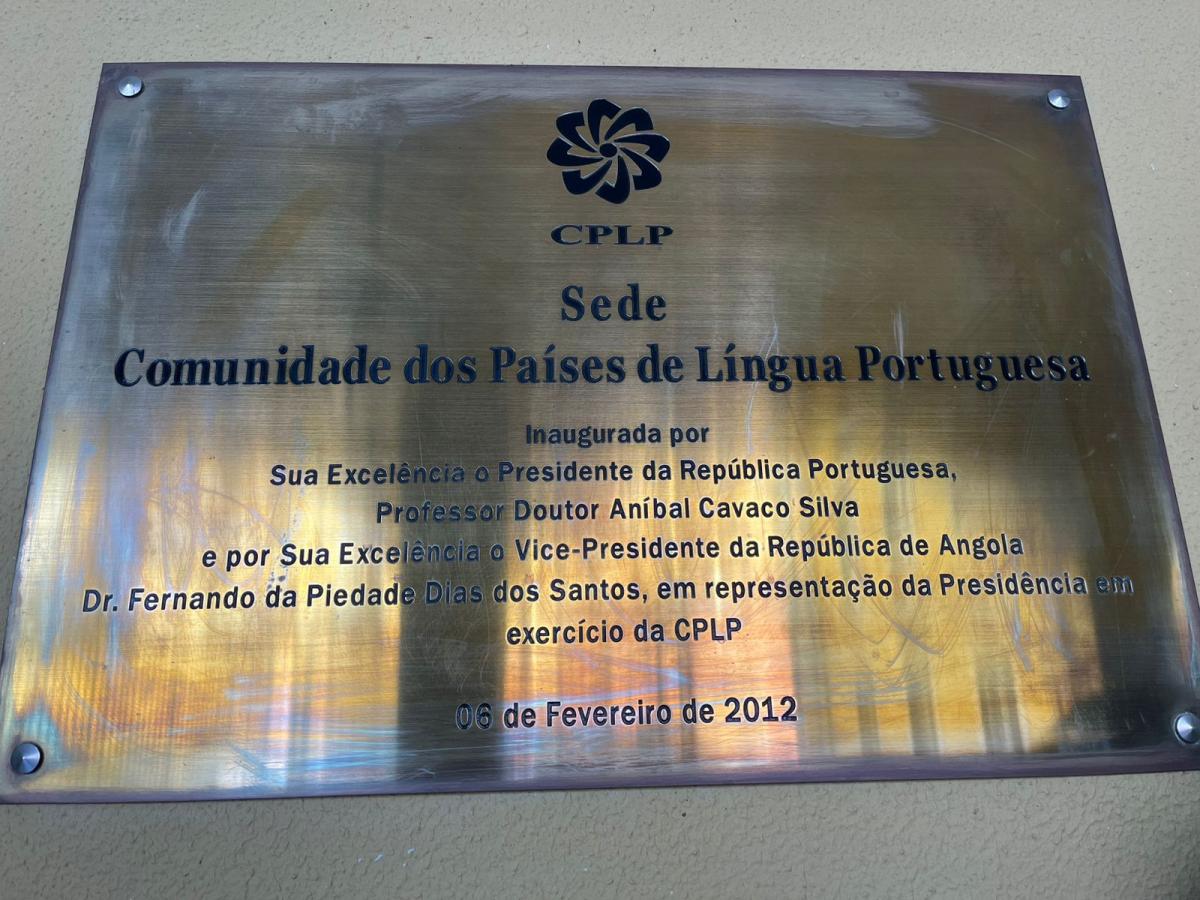
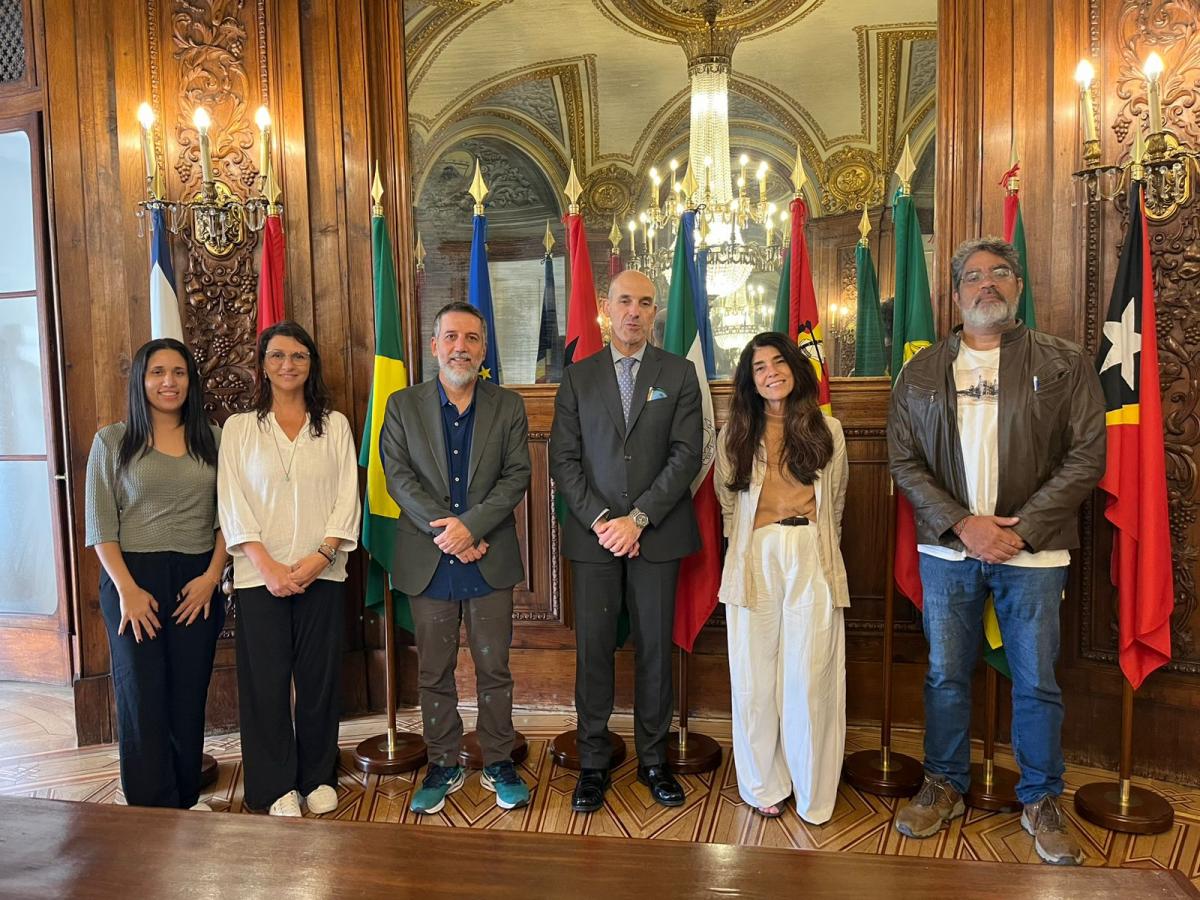 On June 4, the EPSJV team participated in a political-strategic meeting at the CPLP headquarters in Lisbon. The meeting with Manuel Lapão aimed to present the new Work Plan and discuss prospects for institutional support. According to Batistella, the meeting had been planned since the decision to hold the meeting in Lisbon: “Our main objective was to present the perspectives for RETS-CPLP’s actions in relation to the goals of the PECS and to discuss forms of support that could be mobilized from within the organization itself.”
During the conversation, Lapão informed that the 29 associate countries of the CPLP will need to express their concrete commitments to the organization by July 2027. “This signals an opportunity for carrying out diplomatic and strategic work to present RETS-CPLP projects to embassies,” Batistella assessed.
Other topics discussed included the possibilities of leveraging the Academic Mobility Agreement to promote the internationalization of postgraduate programs among member institutions of the Network, and EPSJV’s participation in the next meeting of the CPLP Food Security Council. The meeting will bring together ministers from the sector in July of this year in Guinea-Bissau. According to Batistella, “the CPLP Executive Secretariat stated that EPSJV’s contributions at the meeting will be welcome.”